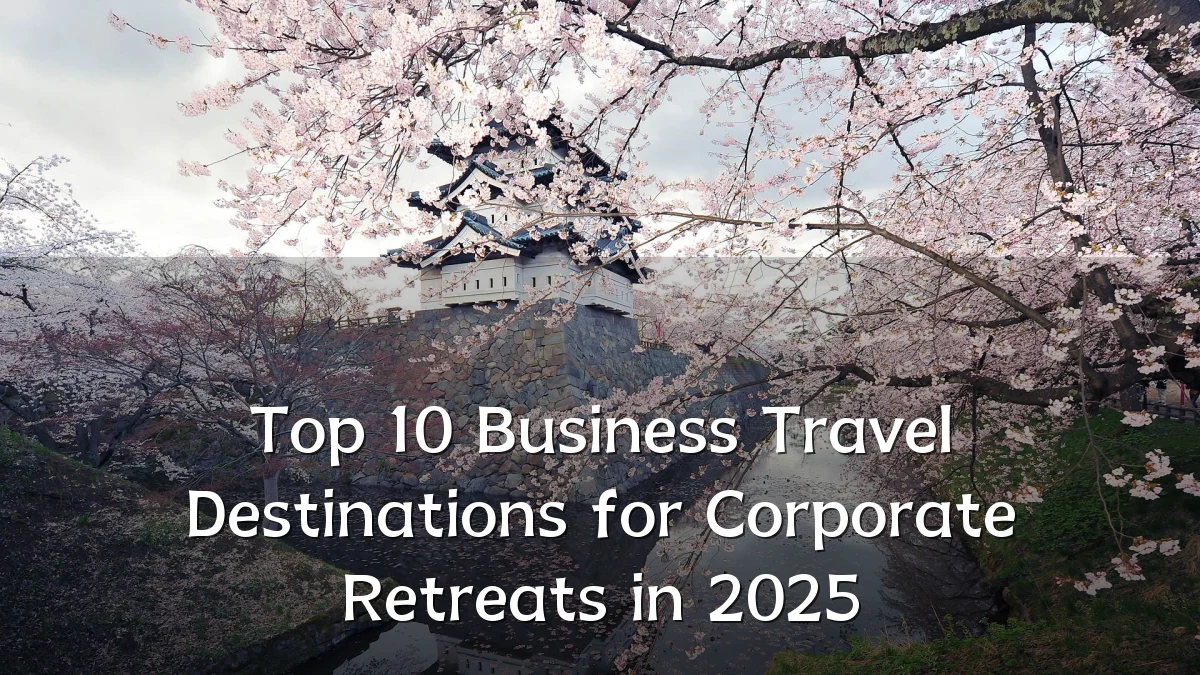
Top 10 Business Travel Destinations for Corporate Retreats in 2025
Recent Trends in Corporate Retreat Planning
Enterprise travel managers and event planners are increasingly prioritizing destinations that offer a blend of productivity-enhancing infrastructure and wellness-oriented amenities. Surveys conducted by industry associations indicate that more than half of companies now require retreat locations to provide high-speed connectivity and dedicated spaces for outdoor team-building. Short-haul international hubs (with flight times under five hours from major corporate centers) have gained preference, reducing travel fatigue while still offering a sense of escape.

- Rise of “bleisure” packages: meeting rooms that convert into breakout lounges, coupled with optional local excursions.
- Growing demand for carbon-neutral venues or those with third-party sustainability certifications.
- Mid-sized cities (population 500,000–1.5 million) are favored over mega-metropolises for lower costs and less congestion.
Background: The Shift in Destination Preferences
For much of the past decade, classic convention cities dominated corporate retreat rosters. The 2020–2022 pause in global travel reshaped priorities. Decision-makers now weigh factors such as visa accessibility, geopolitical stability, and pandemic-preparedness protocols more heavily. Meanwhile, regional governments have invested in convention bureaus and co-working hotels, creating a more competitive landscape. The new top-10 list reflects this recalibration: it includes established conference centers, coastal resort towns with dedicated business wings, and emerging innovation districts in Southeast Asia and Eastern Europe.

“We are seeing a deliberate move away from ‘one-size-fits-all’ destinations. Companies want a location that mirrors their culture and strategic goals—whether that’s digital transformation, sustainability, or employee rejuvenation.” — paraphrased from a recent travel management roundtable.
Key Concerns for Corporate Travel Professionals
When evaluating the shortlisted destinations, planners report several recurring pain points that affect final selection:
- Cost transparency: hidden venue fees, dynamic pricing during peak seasons, and per-person minimums that can inflate a budget by 20–30%.
- Safety and security: consistent traveler risk ratings, health care availability, and reliable emergency support networks.
- Local transport reliability: frequent last-mile connectivity issues in up-and-coming destinations that lack mature taxi or ride-sharing services.
- Cultural noise: language barriers for mid-level staff and limited familiarity with local business etiquette outside hotel properties.
Likely Impact on the Business Travel Sector
As the 2025 top-10 destinations rotate toward secondary cities, traditional hospitality chains are expanding into these markets, while boutique business hotels are tailoring packages for multi-day corporate groups. Airlines are adding direct routes to previously underserved airports, shortening travel windows. The ripple effect is also visible in local economies: co-working spaces report a 15–25% uptick in weekday occupancy from visiting retreat attendees. However, the trend may strain infrastructure in cities unaccustomed to high-volume business traffic, potentially leading to price spikes in accommodation and dining districts.
From a regulatory perspective, several destination governments are introducing streamlined visa processes for conference delegates, which could further entrench the popularity of those locations into 2026 and beyond.
What to Watch Next
Corporate retreat dynamics remain fluid. Three developments are likely to reshape the top-10 list in the near term:
- Hybrid venue design: hotels and convention centers that seamlessly integrate remote-participation tech (e.g., 360-degree cameras, in-room multi-screen setups) will become baseline requirements, not differentiators.
- Micro-retreats: a growing niche for one- or two-day team offsites near headquarters, reducing total travel budgets and making close-proximity destinations more competitive.
- Gen Z expectations: younger employees increasingly factor destination appeal into job satisfaction, pushing planners to prioritize authentic local experiences over generic conference facilities.
Travel procurement teams are advised to monitor quarterly reports on destination readiness, particularly updates on broadband reliability and last-mile logistics. Those who lock in multi-year rate agreements with emerging hubs may gain a strategic cost advantage before demand fully matures.