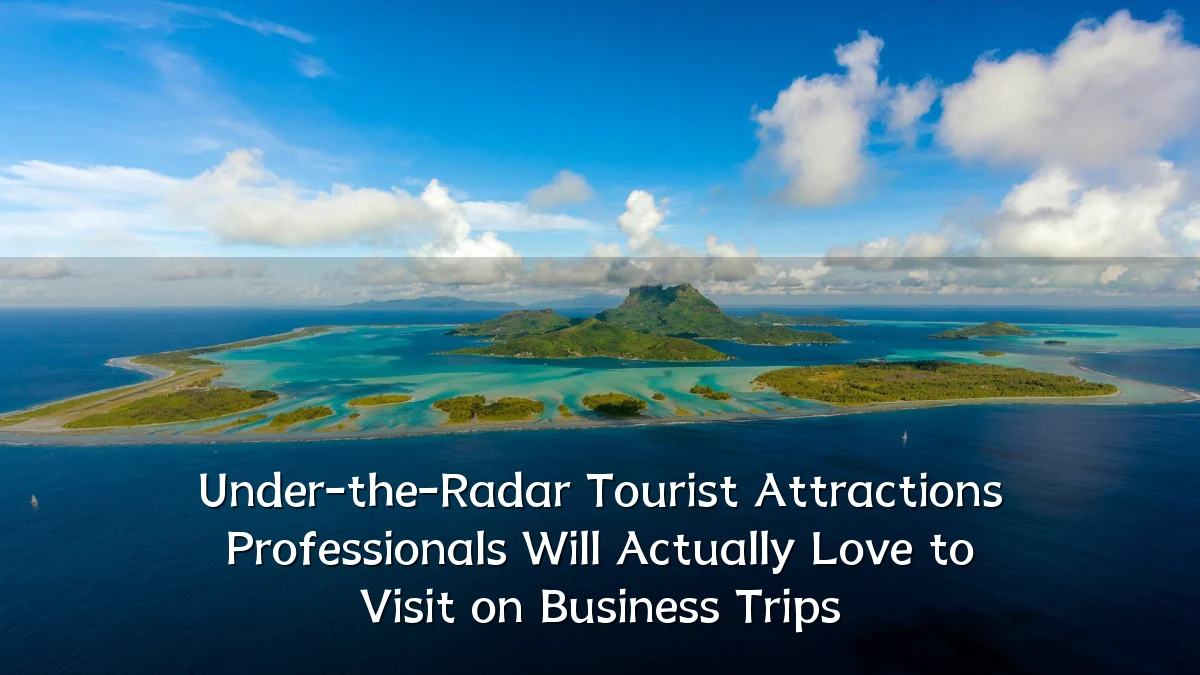
Under-the-Radar Tourist Attractions Professionals Will Actually Love to Visit on Business Trips
Recent Trends: The Shift Toward Intentional Downtime
Over the past several quarters, business travelers—particularly those in knowledge-intensive fields—have increasingly sought out low-key, enrichment-focused attractions that fit into short windows between meetings. Rather than queue for flagship museums or overcrowded landmarks, many professionals now prioritize spaces that offer quiet reflection, local craft, or interactive learning without long lines or high costs. Booking data from corporate travel platforms indicates a steady rise in “side-trip” bookings to niche galleries, small-scale workshops, and nature trails within a 30-minute transit radius of major business districts.
Background: Why Mainstream Spots Often Miss the Mark
Traditional tourist magnets—theme parks, famous monuments, bustling plazas—can feel overwhelming after a day of negotiations or presentations. Professionals face unique constraints: limited free time, need for Wi-Fi or charging stations, preference for solo or small-group experiences, and a desire to avoid crowds that drain energy rather than restore it. Meanwhile, many hotels and conference venues now partner with local cultural centers and independent guides to offer curated, low-friction visits. Examples include back-of-house tours at working breweries, self-guided audio walks through historic but uncrowded neighborhoods, and drop-in sessions at artist studios that accept digital payments and allow flexible scheduling.

User Concerns: What Professionals Actually Want
- Time efficiency: No hour-long waits or multi-hour commitments. Locations open early or late to align with meeting schedules.
- Productivity-friendly environment: Reliable Wi-Fi, quiet corners, and power outlets for quick work catch-ups or calls.
- Authenticity without hype: Genuine local culture or craftsmanship rather than Instagram-driven photo stops.
- Low planning overhead: Easy online booking, no complicated membership fees, and clear opening hours.
- Safety and comfort: Well-lit, accessible, and not overly touristed, even during peak conference seasons.
Likely Impact: Incremental Shifts in Business Travel Itineraries
As more professionals share these discoveries through internal travel networks and professional social media, expectations around business trip “extras” are changing. Hotels and convention bureaus are testing pop-up partnerships with local artisans and small museum operators. Some conference organizers now include a “discover local” map in delegate materials, highlighting attractions that specifically note business traveler amenities. Over the next 12 to 18 months, expect more mid-sized cities to promote under-the-radar options—such as early-access botanical gardens, after-hours library exhibits, or maker spaces offering short workshops—as part of their corporate travel pitch. The impact on traditional high-volume attractions may be moderate, but for niche venues, the increase in professional visitors could meaningfully diversify their revenue streams.
What to Watch Next: Signals for Broader Adoption
- Corporate travel policies: Do firms begin reimbursing for visits to qualifying “enrichment” attractions that meet productivity-friendly criteria?
- Technology integration: Will booking platforms for business trips add filters for “low-traffic,” “quiet,” or “after-hours” attractions?
- Appearance in conference swag: Look for co-branded maps or discount codes from local hidden gems in conference goodie bags.
- Feedback loops: Business traveler reviews on platforms like TripAdvisor or Google increasingly mention “work-friendly” and “refreshing” as key descriptors—watch for these terms to appear in dedicated lists or badges.