Strategies for Creating an Effective Tourist Attraction That Boosts Local Economy
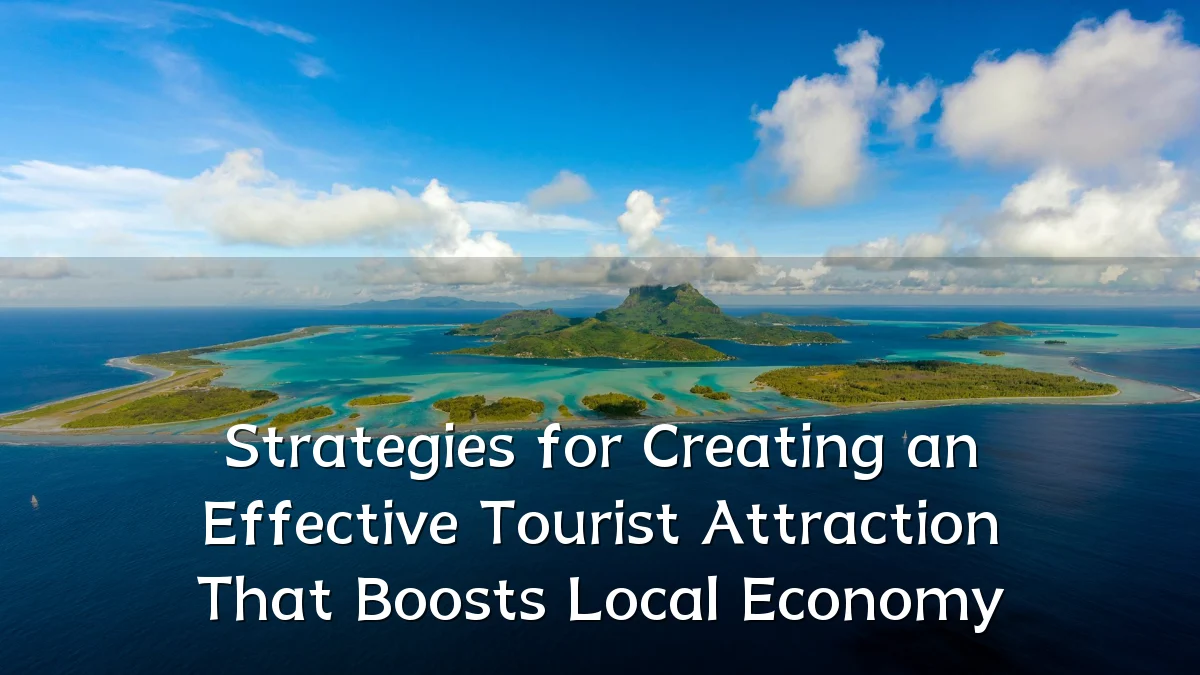
In recent years, destination planners and economic development officials have focused on how to design tourist attractions that deliver measurable local benefit rather than mere visitor volume. An effective attraction is now defined not just by foot traffic but by its ability to circulate money within the community, create year-round employment, and preserve the area’s character. This analysis examines emerging approaches, underlying challenges, and the outlook for communities investing in tourism-led growth.
Recent Trends in Attraction Development
Current best practices emphasize experiences that draw on local culture, heritage, or natural assets rather than generic entertainment formats. Observers note three key shifts:

- Authenticity over spectacle: Visitors increasingly seek hands-on activities such as farm-to-table workshops, artisan demonstrations, or guided historical walks, which embed spending in the local economy.
- Community co-creation: Successful attractions now involve residents in planning, ensuring that new facilities complement local businesses and public spaces rather than compete with them.
- Sustainability as a baseline: Environmentally sensitive design—from waste management to energy use—is considered essential for long-term license to operate, especially in fragile ecosystems.
Background: From Volume-Driven to Value-Driven Tourism
Traditional tourism models often prioritized maximizing arrivals through large attractions such as theme parks or convention centers. While these could generate immediate revenue, they frequently led to leakage: profits flowed to outside corporations, seasonal employment created instability, and infrastructure costs fell on local taxpayers. Analysis of case studies across regions shows that effective attractions function as economic anchors that stimulate adjacent spending—lodging, dining, transport, and retail—owned by local entrepreneurs. The most resilient designs integrate with existing town centres rather than creating isolated destination zones.

User Concerns: Pitfalls That Undermine Local Benefit
Communities evaluating new attractions typically raise several consistent worries, based on lessons from past projects:
- Overtourism and quality of life: Excessive crowding can erode residents’ daily experience, leading to backlash and reputational damage that reduces long-term visitor interest.
- Infrastructure strain: Increased traffic, water use, and waste can overwhelm public services unless attraction revenue is earmarked for upgrades.
- Displacement of local businesses: Without zoning or incentives, new attractions may drive up rents and push out long-standing shops and services that give a place its identity.
- Lack of community buy-in: Top-down developments often face opposition, delays, or underuse if residents feel excluded from decision-making.
Likely Impact on Local Economies
When executed with attention to these concerns, an effective tourist attraction can produce a measurable economic multiplier. For context, estimates suggest that every dollar spent at a locally integrated attraction can generate between $1.50 and $2.50 in additional spending within the same region over the course of a year—though exact figures vary widely by location and seasonality. Specific impacts include:
- Job creation: Employment tends to be more stable when attractions operate year-round and source staff locally, including for maintenance, guiding, retail, and food service.
- Revitalization of underused areas: Attractions in declining commercial districts can attract new investment in housing, public space, and transport infrastructure.
- Stimulation of entrepreneurism: Increased visitor flow often supports small-scale ventures such as tour operators, craft producers, and pop-up markets.
- Diversification of the tax base: Lodging and sales taxes from visitor spending can fund schools, roads, and public safety when properly allocated.
What to Watch Next
Planners and policymakers will be monitoring several indicators to judge whether a tourist attraction is genuinely boosting the local economy rather than simply capturing headlines. Key areas to watch include:
- Visitor spending patterns: The share of revenue that remains within the community, measured through local business registrations and procurement data.
- Seasonal employment ratios: The proportion of year-round vs. seasonal jobs, and the availability of training pathways for local workers.
- Resident sentiment: Regular surveys to gauge whether locals feel the attraction improves their own quality of life and economic opportunities.
- Adaptive management practices: Whether attraction operators adjust pricing, capacity, and programming in response to external factors such as inflation, weather patterns, or shifting traveler preferences.
- Leakage reduction initiatives: Efforts to encourage visitors to use local accommodations, restaurants, and services rather than outside chains or online platforms that recapture little value.
As competition for tourist dollars intensifies, the destinations most likely to succeed will be those that treat their attraction not as a standalone revenue generator but as a catalyst for broader, inclusive economic development.