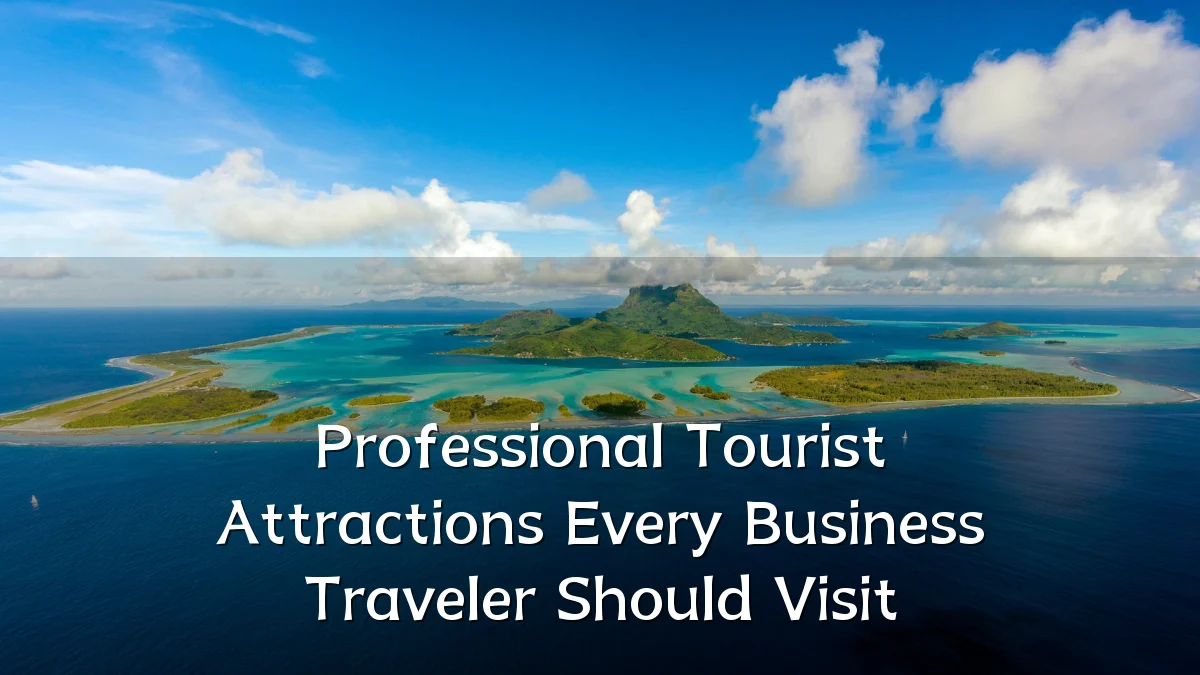
Professional Tourist Attractions Every Business Traveler Should Visit
Recent Trends
Over the past few years, the concept of "professional tourist attractions" has gained traction among business travelers. Rather than limiting downtime to generic hotel lobbies or chain restaurants, more corporate visitors are seeking destinations that offer both business value and cultural enrichment. Coworking spaces in heritage buildings, guided industry-specific museum tours, and networking events at landmark venues have become common. Hybrid work schedules further blur the line between work and leisure, prompting travelers to prioritize attractions that support professional development while respecting tight itineraries.
- Rise of "bleisure" travel – combining business trips with half-day cultural or educational visits.
- Demand for attractions with dedicated networking lounges or quiet coworking corners.
- Interest in behind‑the‑scenes tours of factories, financial districts, or innovation hubs.
Background
The traditional business trip focused almost exclusively on meetings and hotel stays. However, as global competition increases, travelers recognise that visiting a region’s unique commercial and historical sites can provide context for deals and partnerships. Attractions like stock exchanges, trade fair grounds, or historic industrial zones – often overlooked by leisure tourists – now appeal to professionals seeking deeper local insight. Many cities have responded by offering "business‑friendly" packages: priority entry, private guided tours, and meeting rooms on‑site.

- Early adopters included technology campuses (e.g., Silicon Valley office tours) and automotive plants.
- Expansion to include central banks, logistics hubs, and innovation districts.
- Growth of membership‑based attraction networks that cater to corporate visitors.
User Concerns
Business travelers frequently cite time constraints and unclear value as barriers. A three‑hour guided tour may not fit between meetings, and not every attraction offers clear professional takeaways. Others worry about costs – premium passes can be expensive without employer reimbursement – or about missing critical work calls while inside a venue with limited connectivity. Safety and security, especially when visiting sensitive industrial sites, is another common consideration.
- Lack of flexible scheduling (e.g., early morning or evening slots).
- Unclear return on investment: is the attraction relevant to your industry?
- Connectivity issues: many historic buildings lack reliable Wi‑Fi or charging stations.
- Budget restrictions – employers may not cover admission or travel to out‑of‑way locations.
- Safety protocols when visiting active work environments (factories, labs, ports).
Likely Impact
As professional tourism matures, destinations will likely refine offerings to better align with business schedules. We can expect more attractions to offer express tours (30–45 minutes), early‑bird or after‑hours access, and integrated meeting spaces. Hotels and convention centers may partner with nearby professional attractions to provide bundled packages. Travel management companies are also starting to include such options in corporate travel policies, especially for high‑value clients or teams on site‑visit missions.
- Increased availability of half‑day "professional immersion" programs.
- Growth of loyalty programs that reward repeat visits to business‑oriented sites.
- Potential for employers to subsidize attraction visits that align with strategic goals.
- Rise of digital content – virtual tours or pre‑trip briefings to help travelers decide.
What to Watch Next
Keep an eye on how traditional corporate hubs (e.g., London, Singapore, Dubai) adapt their legacy attractions – such as the Square Mile or Marina Bay – to meet professional‑traveler needs. Also watch for emerging destinations like secondary tech cities or specialised manufacturing zones that may launch new "open business" initiatives. Finally, note whether industry associations (e.g., chambers of commerce) begin certifying professional tourist attractions with a trust mark, helping travelers quickly identify venues that offer genuine business value without sacrificing convenience.
- Adoption of contactless entry and real‑time capacity data to fit spontaneous schedules.
- Cross‑city passes that include multiple professional attractions (e.g., financial district tours + innovation lab visits).
- Integration with corporate booking platforms (e.g., Concur, TripActions) for seamless expense reporting.