Stunning Waterfall Hikes in Malang: Examples of Nature’s Best

Recent Trends in Waterfall Hiking in Malang
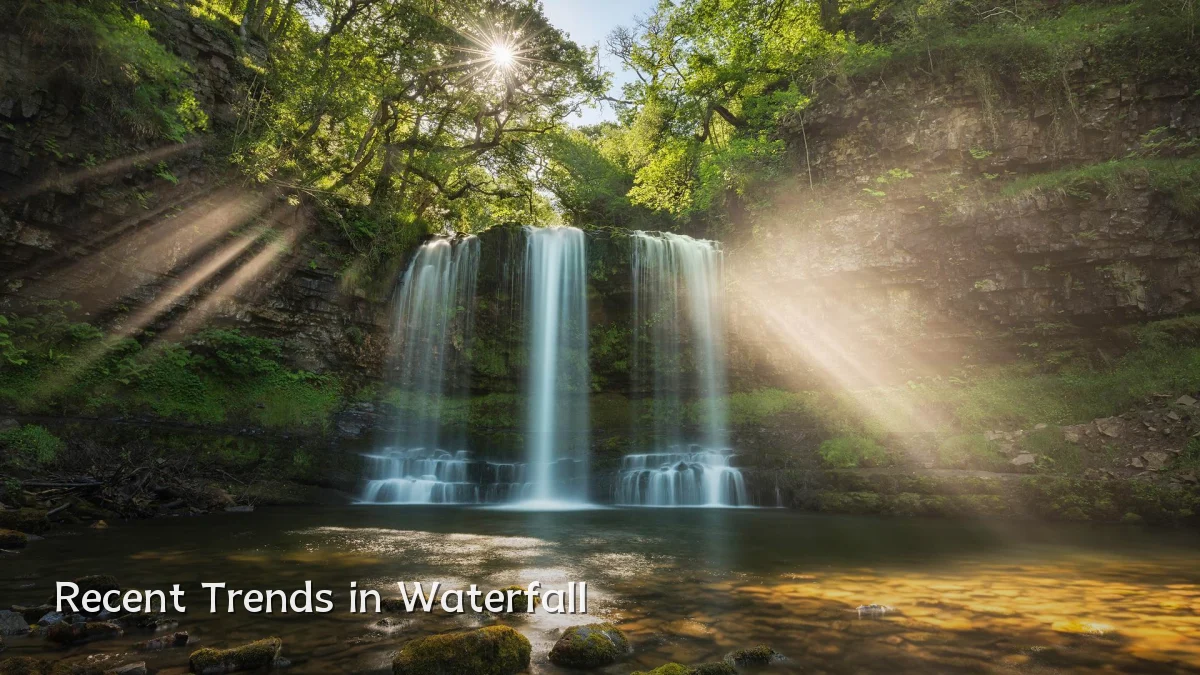
Interest in waterfall hikes across Malang Regency has grown steadily over the past several seasons. Social media posts highlighting hidden cascades and forested trails have drawn increasing numbers of domestic and international visitors. Local travel operators report that multi-stop itineraries combining two or three waterfalls in a single day trip are among the most requested packages. Examples such as Coban Pelangi, Tumpak Sewu, and Coban Rondo frequently appear in traveler-generated lists, but lesser-known sites like Goa Tetes and Coban Talun are also gaining traction among those seeking quieter experiences.
Background: Geography and Established Examples
Malang sits on the highland slopes of East Java, where volcanic terrain and abundant rainfall create scores of waterfalls. The region’s most iconic examples — including the layered Tumpak Sewu and the easily accessible Coban Rondo — have been open to visitors for years, with basic facilities such as parking lots, ticket booths, and marked paths. Newer examples emerge when local communities open access to previously unexplored gorges or when rainy seasons revive seasonal falls. The diversity of trail difficulty — from short, paved walks to multi-hour scrambles — means hikers can choose options suited to their fitness level and time budget.
User Concerns
- Safety and trail conditions: Many waterfalls involve slippery rock, steep descents, or unmarked sections. Dry-season visits reduce the risk of flash floods, but solo hiking is not recommended. Local guides are often required for remote examples.
- Accessibility and permits: Well-known waterfalls like Coban Rondo have fixed entrance fees (typically in the range of IDR 10,000–20,000), while others may require a local guide fee or a donation. Some trails close temporarily after heavy rain.
- Environmental impact: Increased foot traffic has led to litter and vegetation damage at certain sites. Several village authorities now enforce carry-in/carry-out policies and limit group sizes during peak hours.
- Congestion and timing: Weekends and public holidays see long queues at popular waterfall entrances. Early-morning starts (before 7 a.m.) are recommended to avoid crowds and secure parking.
Likely Impact on Local Communities and Tourism
- Economic benefits: Entrance fees, guide services, and small warung (food stalls) provide income for nearby villages. Some communities have used revenue to build safer staircases and rest areas.
- Infrastructure pressure: As visitor numbers rise, road access to certain waterfalls requires periodic maintenance. Local governments are gradually upgrading parking areas and signposting.
- Conservation awareness: Several waterfall sites now collaborate with environmental groups to monitor water quality and waste. Educational signage about local ecosystems is becoming more common.
- Risk of over-commercialization: In some examples, the addition of swings, photo booths, or loud music has altered the natural feel, prompting some hikers to seek less developed alternatives.
What to Watch Next
Observers point to several developments likely to shape waterfall hiking in Malang over the next few seasons. The opening of new community-managed trails — particularly in the southern and eastern districts — could shift visitor flows away from already crowded sites. Seasonal patterns will also remain critical: during the dry season (typically April to October), water volume drops at some falls, but trails become safer. Travelers should monitor local social media channels or village tourism office updates before departing, as conditions can change rapidly after heavy rain. Finally, the ongoing push for certified guides and standardized safety protocols may soon make guided hikes the default for remote examples, improving both visitor experience and environmental stewardship.