Best Malang Travel Guide: Top Attractions & Hidden Gems to Visit

Recent Trends in Malang Tourism
Over the past several travel seasons, Malang has shifted from a transit stop to a destination in its own right. More travelers now allocate three to five days to explore the city and its surroundings. Social media exposure of landmarks such as Jatim Park and the colorful Jodipan Village has driven first-time visits, while repeat tourists increasingly seek out remote waterfalls and traditional villages. The rise of domestic travel has also increased demand for budget-friendly stays and local culinary experiences, with visitor numbers climbing steadily during school holidays and long weekends.
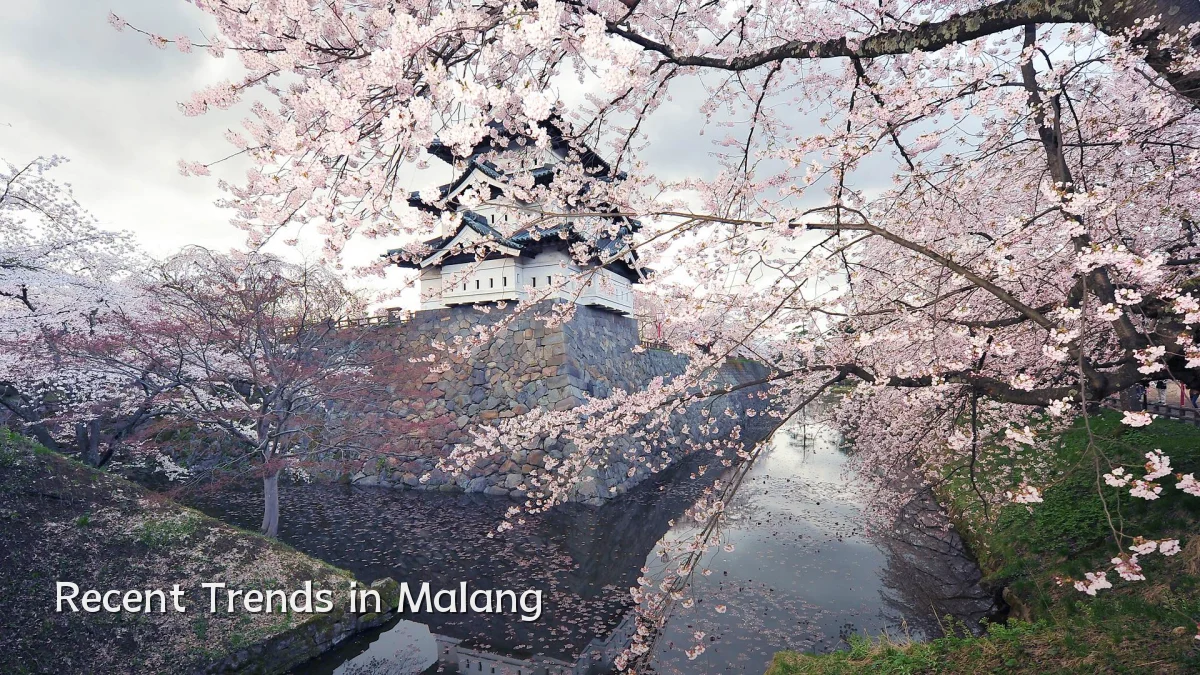
- Short-term homestays in Batu City and the outskirts of Malang are reporting higher occupancy rates.
- Eco-tourism packages that combine hiking, camping, and cultural tours are gaining traction.
- Travelers under 35 frequently plan itineraries around Instagram-worthy spots, but also express interest in authentic local interactions.
Background: Malang‘s Unique Appeal
Malang sits in the highlands of East Java, surrounded by mountains, tea plantations, and historic Dutch-colonial architecture. Its cool climate and diverse geography—from urban streets lined with art cafes to rural villages near active volcanoes—give it a rare mix of attractions. The city itself offers easy access to Taman Safari Indonesia, Museum Angkut, and the ancient Singosari Temple, while hidden gems like Coban Pelangi Waterfall and the pineapple fields of Poncokusumo remain under-visited. This contrast between well-known parks and lesser-known natural sites forms the core of Malang’s travel appeal.
“Malang is one of the few Indonesian cities where you can visit a theme park in the morning and hike a volcano in the afternoon without excessive travel time.” — observation from regional tourism coordinators
Key User Concerns for Travel Planning
First-time visitors often struggle with choosing between packaged tours and independent travel. Transportation within Malang can be fragmented, with limited public routes connecting top attractions. Other common concerns include seasonal weather (November to March sees higher rainfall), crowding at popular sites during peak periods, and the reliability of online reviews for hidden gems. Budget-conscious travelers also need guidance on cost ranges for entrance fees, guides, and lodging.
- Transport: Renting a private car with driver for a full day typically costs between IDR 400,000 and IDR 700,000, depending on distance and duration. Alternatively, Grab and Gojek are available within the city but less reliable for rural areas.
- Timing: Dry season (April–October) offers clearer views and easier hiking. Early morning visits (before 8:00 AM) help avoid queues at Jatim Park and other ticketed attractions.
- Hidden gems: Villages like Buring and Ngadas require guided access or prior arrangement with local tourism groups; entry fees are nominal but tipping local guides (around IDR 50,000–100,000) is appreciated.
- Accommodation: Mid-range hotels near Malang city center start at IDR 250,000 per night; homestays in Batu can be slightly more expensive during weekends.
Likely Impact of Current Developments
New infrastructure projects—including road expansions connecting Malang to Surabaya and the development of a second terminal at Abdul Rachman Saleh Airport—are expected to reduce travel time and increase visitor capacity. However, this growth may also pressure fragile natural sites if sustainable tourism practices are not enforced. Local environmental groups have already raised concerns about waste management at popular waterfalls. The likely impact is a continued rise in visitor numbers, but with a widening gap between well-funded attractions (like theme parks) and under-resourced rural gems that risk being loved to death without proper management.
Travelers should anticipate that certain hidden gems may require advance booking or permits in the near future. Meanwhile, digital payment systems (QRIS) are becoming more common, even at small street stalls, simplifying transactions for tourists.
What to Watch Next
Several developments will shape Malang’s travel landscape in the coming seasons:
- Sustainable tourism initiatives: The city government is piloting a “responsible travel” certification for tour operators. If widely adopted, it could help travelers identify eco-friendly options.
- New attractions: Plans for a mountain observation deck near Gunung Arjuno and a cultural trail in the old town are in early discussion stages. Follow official tourism bureau channels for updates.
- Traveler feedback loops: Online communities (Facebook groups, travel blogs) are increasingly sharing real-time conditions. Checking posts from the last two weeks before departure is recommended for accurate road and weather info.
- Alternative routes: With toll road extensions, a journey from Surabaya to Malang may soon shrink to under two hours, potentially turning Malang into a day-trip destination for those based in Surabaya.
For now, the best approach is to plan a flexible itinerary that mixes ticketed attractions with free natural sites, and to verify local conditions a day before visiting any remote waterfall or village.