Exploring Malang: A Complete Guide to the City's Hidden Gems and Must-Visit Spots
Recent Trends in Malang Tourism
In recent seasons, visitor patterns in Malang have shifted noticeably toward experiences that blend nature, culture, and slow travel. Travelers increasingly seek out lesser-known villages, agro-tourism sites, and heritage walks rather than exclusively visiting mainstream attractions. Observers note a surge in interest around the city’s colonial-era architecture and the surrounding highland landscapes, with many choosing to stay several days to explore multiple micro-destinations rather than taking day trips.
- Rise of homestay and guesthouse bookings in peri-urban areas such as Batu and Tumpang.
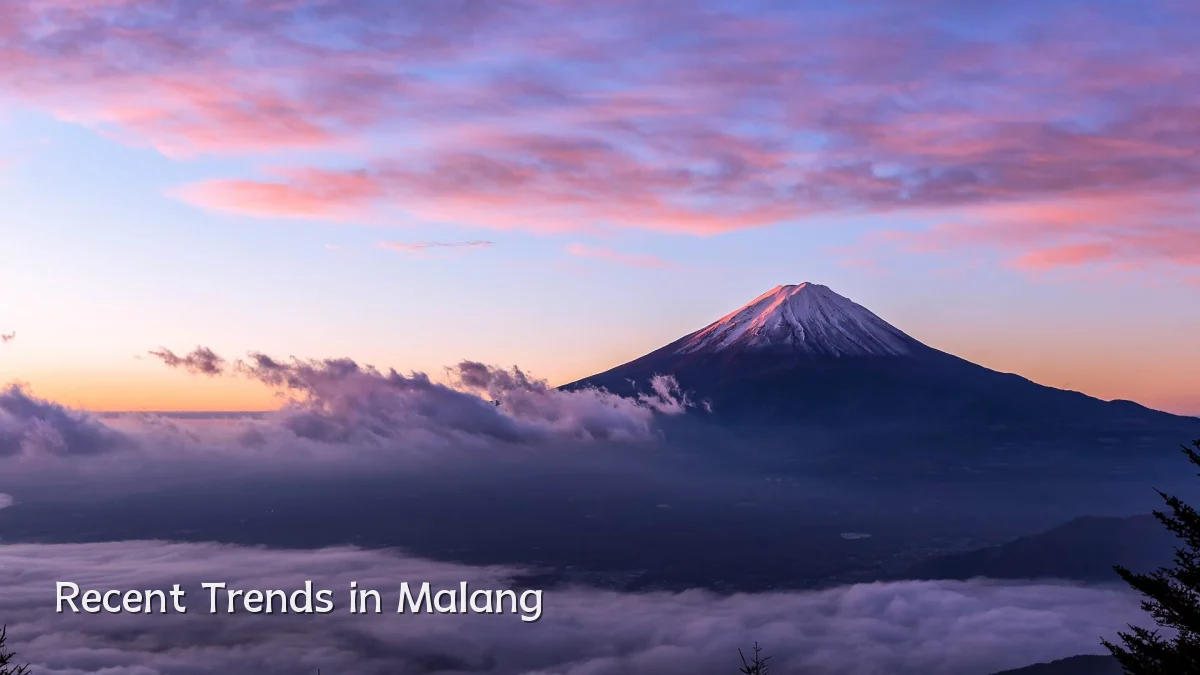
- Growing popularity of guided hiking tours to Mount Bromo and Mount Semeru with an emphasis on off-peak departure times.
- Increased use of ride-hailing apps and private drivers for flexible itineraries.
- Expansion of café culture and digital nomad-friendly co-working spaces in downtown Malang.
Background: What Makes Malang a Unique Destination
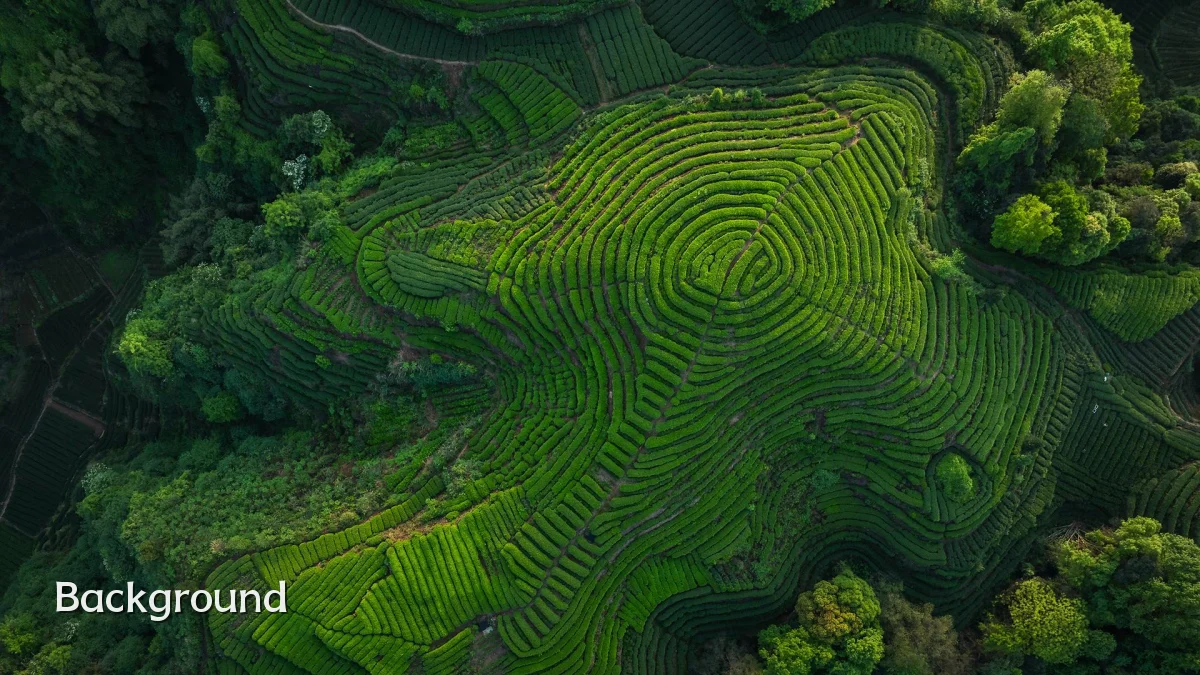
Malang sits in the highlands of East Java, offering a cooler climate than much of the island. Its historical layers stretch from the Singhasari and Majapahit kingdoms through Dutch colonial rule to the present day. The city’s grid of tree-lined streets and preserved buildings contrast with a growing number of modern artistic hubs. Surrounding the urban core are terraced rice fields, apple and strawberry farms, and several active volcanoes. This combination of accessible altitude, heritage assets, and natural variety gives Malang a distinctive position among Javanese travel destinations.
Many first-time visitors are drawn to landmarks like Tugu Square, Jami’ Mosque, and the Ijen Boulevard area, while repeat travelers often venture to hidden water temples, traditional batik workshops, and remote viewpoints in the Bromo Tengger Semeru National Park. The variety of experiences—from city strolls to mountain treks—makes Malang suitable for a broad range of traveler profiles.
Common User Concerns When Visiting Malang
Travelers typically express several practical concerns when planning a trip to Malang. Awareness of these factors can help set realistic expectations and improve the overall experience.
- Transportation connectivity: While Malang has a train station and an airport (domestic flights), direct long-distance bus services and intercity transport sometimes require transfers. Local transport—angkot (minivans), ojek (motorcycle taxis), and ride-hailing apps—is widely available but routes can be confusing for newcomers.
- Language barriers: English is spoken at major hotels and some tourist sites, but in smaller villages and traditional markets, basic Indonesian phrases or translation apps are recommended.
- Accommodation range: Options vary from budget losmen to mid-range boutique hotels and luxury resorts near Batu. Many travelers report that booking in advance during holiday periods (e.g., school holidays and long weekends) is essential to secure preferred choices.
- Safety and health: Malang is generally regarded as safe for tourists, but travelers are advised to take standard precautions against petty theft and to be cautious when hiking volcanic terrain. High-altitude sickness is possible on overnight treks; acclimatization is recommended.
- Weather variability: The dry season (typically April–October) is the most comfortable time for outdoor activities, but sudden afternoon rains can occur even then. Light rain gear and layered clothing are useful year-round.
Likely Impact of Growing Tourism on the Region
As visitor numbers increase, several effects are emerging. Infrastructure improvements—such as road upgrades to tourist villages and expanded public Wi-Fi in central areas—are noticeable. Local economies benefit from increased demand for guide services, artisan products, and farm-to-table food offerings. At the same time, environmental pressures appear in popular natural spots, where waste management and trail erosion have prompted discussions among community groups and local authorities.
Sustainability practices are gradually being adopted, including entrance fees for certain trails, bans on single-use plastics in some tourism zones, and training programs for homestay operators. The challenge ahead is balancing economic growth with preserving the qualities that make Malang appealing—its quiet streets, clean air, and cultural authenticity. Stakeholders with a long view are advocating for carrying-capacity assessments and visitor education campaigns.
What to Watch Next
Several developments in Malang’s tourism landscape are worth monitoring over the coming seasons. These changes could shape the experience for future visitors.
- New ecotourism zones: Authorities are exploring formal designation for additional agro-tourism clusters in the highlands near Poncokusumo and Junrejo.
- Heritage building renovation: Some colonial-era buildings in the city center are being repurposed as boutique hotels, galleries, and cultural event spaces—a trend that may accelerate.
- Community-based tour offerings: Local cooperatives in several Tengger villages have started organizing homestay networks and guided cultural immersions that could serve as models for responsible tourism.
- Regulatory updates for volcanic trekking: Following observations of overcrowding on certain routes, park management may implement a permit quota system or seasonal trail closures.
- Improved digital infrastructure: Efforts to expand high-speed internet coverage into remote tourist villages are underway, potentially enabling better real-time information sharing and mobile bookings.